Introduction
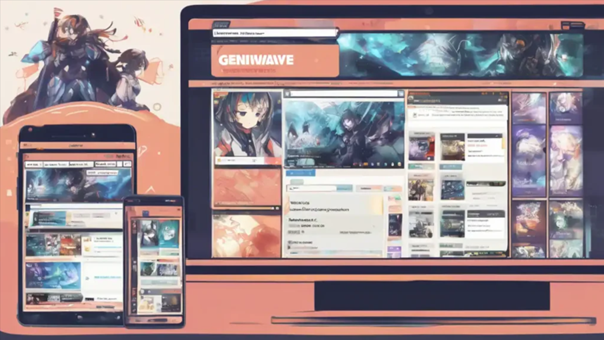
Aniwave In recent years, anime has evolved from a niche form of entertainment into a global cultural phenomenon. Millions of fans across the world now watch Japanese animation regularly, driven by compelling storytelling, unique art styles, and diverse genres. As demand for anime content grew, numerous online streaming platforms emerged to serve fans looking for convenient access to their favorite shows. One name that frequently appears in online discussions is Aniwave.
Aniwave gained attention among anime enthusiasts as a platform associated with online anime streaming. Whether you are a long-time anime fan or someone just beginning to explore the genre, understanding what Aniwave is, how it works, and the broader implications of using such platforms is important. This article explores Aniwave’s rise, features, controversies, legal considerations, and safer alternatives for anime lovers.
What Is Aniwave?
Aniwave is widely known as an anime streaming website that provided users with access to a large library of anime titles. It attracted viewers by offering episodes from classic and modern anime series in one place, often without requiring subscriptions or paid memberships.
Unlike official streaming services, platforms like Aniwave typically aggregated content from various sources and allowed users to watch anime online through embedded players. This accessibility made it especially popular among viewers who wanted instant access to anime without geographic restrictions or subscription fees.
However, the platform’s popularity also brought scrutiny, mainly due to copyright concerns and questions surrounding the legality of its content distribution.
Why Aniwave Became Popular
Aniwave’s rapid growth can be attributed to several factors that resonated strongly with anime fans worldwide.
1. Extensive Anime Library
One of the biggest attractions was its wide collection of anime series and movies. Users could find both classic titles and newly released episodes shortly after airing in Japan. Popular series such as Naruto, Attack on Titan, and One Piece were often searched for on platforms like Aniwave.
2. Free Access
Many viewers were drawn to Aniwave because it allowed free streaming. Subscription costs across multiple legal platforms can add up quickly, so free access appealed to students and younger audiences.
3. User-Friendly Interface
Aniwave was known for offering a relatively simple browsing experience. Categories, genre filters, and search functions helped users locate anime quickly.
4. Subbed and Dubbed Content
Anime fans often have strong preferences between subtitled (Japanese audio with subtitles) and dubbed (English voiceover) versions. Aniwave attempted to cater to both audiences by providing multiple viewing options.
The Role of Online Streaming in Anime’s Global Growth
Platforms like Aniwave emerged during a period when anime consumption was expanding rapidly outside Japan. Internet streaming eliminated traditional barriers such as television licensing delays and limited DVD availability.
Today, official platforms such as Crunchyroll, Netflix, Hulu, and the former Funimation have played a major role in making anime legally accessible worldwide. These services invest heavily in licensing, translation, and production partnerships, helping anime creators reach international audiences.
Aniwave’s popularity partly reflected gaps that once existed in official distribution—especially regional availability and delayed releases.
Legal and Copyright Concerns
While Aniwave attracted millions of users, it also faced criticism due to copyright issues. Anime studios and distributors rely on licensing revenue to fund production, pay creators, and sustain the industry.
Unofficial streaming platforms often operate without proper licensing agreements. This means:
-
Content creators may not receive compensation.
-
Distribution rights are violated.
-
Platforms may be taken offline due to legal action.
Many countries enforce copyright laws that restrict unauthorized streaming or distribution. As a result, users sometimes experience sudden shutdowns, domain changes, or accessibility issues when using unofficial sites.
Risks Associated With Unofficial Streaming Sites
Apart from legal concerns, there are practical risks users should understand.
1. Security Risks
Unofficial streaming sites may include intrusive advertisements or pop-ups. Some ads can redirect users to suspicious websites, increasing the risk of malware or phishing attacks.
2. Data Privacy Issues
Unlike licensed services, unofficial platforms may lack clear privacy policies or secure infrastructure, potentially exposing user data.
3. Unstable Availability
Because such platforms often face legal pressure, they may disappear suddenly, leaving users without access to bookmarked content or watch histories.
4. Inconsistent Video Quality
Streams may vary in quality, subtitles may be inaccurate, and playback reliability can be inconsistent compared to licensed services.
Ethical Considerations for Anime Fans
Anime production involves writers, animators, voice actors, musicians, and many other professionals. Supporting legal streaming platforms helps sustain the industry and ensures creators are fairly compensated.
When fans subscribe to official services or purchase licensed merchandise, they contribute directly to:
-
Funding future anime seasons
-
Supporting animation studios
-
Encouraging global releases
-
Improving localization quality
As anime becomes increasingly mainstream, ethical consumption has become a key discussion within fan communities.
Legal Alternatives to Aniwave
For viewers seeking reliable and lawful anime streaming, several platforms offer extensive libraries and high-quality viewing experiences.
Crunchyroll
Crunchyroll specializes in anime and often streams episodes shortly after their Japanese broadcast. It offers both free (ad-supported) and premium subscription tiers.
Netflix
Netflix has invested heavily in anime production and licensing, offering exclusive titles and original anime series alongside mainstream content.
Hulu
Hulu provides a mix of anime classics and newer series, making it a strong option for viewers who already subscribe for other TV shows.
Official Digital Purchases
Platforms such as digital storefronts and Blu-ray releases allow fans to own anime permanently while supporting creators directly.
The Changing Landscape of Anime Streaming
The anime industry continues evolving rapidly. Over the last decade, legal streaming availability has expanded dramatically, reducing reliance on unofficial websites.
Key trends shaping the future include:
-
Simultaneous worldwide episode releases
-
Increased investment in anime originals
-
Improved subtitle and dubbing quality
-
Partnerships between Japanese studios and global streaming companies
As accessibility improves, many fans are transitioning toward official platforms that offer safer and more reliable viewing experiences.
Why Aniwave Still Gets Discussed
Even as legal services grow, Aniwave remains a frequently searched topic online. This ongoing interest reflects broader challenges in digital media distribution:
-
Regional licensing restrictions still exist.
-
Subscription fatigue affects viewers using multiple services.
-
Fans seek centralized libraries for convenience.
The conversation around Aniwave highlights the balance between accessibility and copyright protection in the digital age.
Final Thoughts
Aniwave represents a significant chapter in the history of online anime streaming. Its popularity demonstrated the immense global demand for anime and the desire for easy, immediate access to content. However, it also underscored important issues surrounding copyright, creator compensation, and online safety.
Today, anime fans have more legal viewing options than ever before. Official platforms provide high-quality streams, reliable access, and the assurance that creators are supported for their work. As the anime industry continues to expand internationally, choosing legitimate services helps ensure that the stories, characters, and worlds fans love can continue to thrive for years to come.
Whether you discovered anime through unofficial platforms or began with licensed services, the most important takeaway is clear: the future of anime depends on sustainable support from its global audience.