Introduction
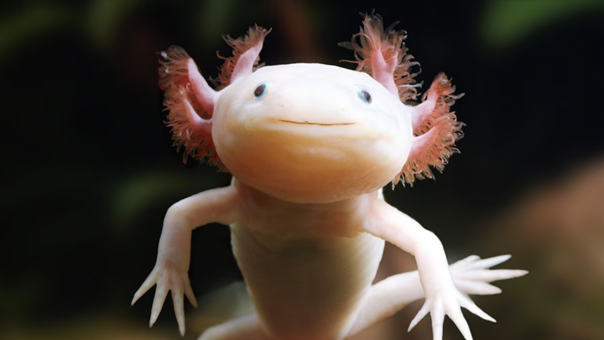
Axolotl is one of the most unusual and captivating creatures on Earth. Often called the “walking fish,” this remarkable amphibian is not actually a fish at all. Instead, it belongs to the salamander family and possesses biological abilities that continue to amaze scientists, pet enthusiasts, and nature lovers worldwide. Known for its permanent smile-like appearance, feathery external gills, and extraordinary regenerative powers, the axolotl has become a symbol of scientific curiosity and conservation awareness.
Native to freshwater ecosystems in central Mexico, Axolotl represents both the wonders of evolution and the urgent need to protect endangered species. In this article, we will explore everything about axolotls — their biology, habitat, behavior, scientific importance, conservation status, and why they have captured global attention.
What Is an Axolotl?
Axolotl axolotl (scientific name Ambystoma mexicanum) is a type of salamander that retains its juvenile characteristics throughout its entire life — a phenomenon known as neoteny. Unlike most amphibians, which undergo metamorphosis and transition to land, axolotls remain aquatic even as adults.
This means they keep features normally seen only in larval stages, including:
-
External feathery gills
-
A dorsal fin running along the back
-
Fully aquatic lifestyle
-
Soft, smooth skin
Axolotl Because of these traits, axolotls look permanently youthful, contributing to their popularity among aquarium hobbyists.
Natural Habitat and Origin
Axolotl Historically, axolotls lived in a network of lakes and canals connected to ancient waterways near present-day Mexico City. Today, their natural habitat has drastically shrunk, and they are primarily found in the canals of Lake Xochimilco.
These waters were once clear and rich in biodiversity, providing ideal conditions for axolotls to thrive. AxolotlHowever, rapid urbanization, pollution, and invasive species have severely damaged this ecosystem. As a result, wild axolotl populations have declined dramatically.
Unique Physical Characteristics
Axolotls are instantly recognizable due to their unusual appearance. Adult axolotls typically grow between 6 and 18 inches in length and display a wide range of colors, including:
-
Wild-type brown or olive with gold speckles
-
Albino (white with pink tones)
-
Leucistic (pale pink with dark eyes)
-
Golden or melanistic varieties
Their most iconic feature is their external gills, which resemble delicate branches extending from both sides of their head. These gills allow them to absorb oxygen directly from the water, although they also possess lungs and can occasionally gulp air at the surface.
The Incredible Regeneration Ability
One of the most extraordinary traits of axolotls is their ability to regenerate body parts. They can regrow:
-
Limbs
-
Spinal cord sections
-
Tail portions
-
Skin and muscle tissue
-
Parts of the heart and brain
Unlike most animals, axolotls regenerate tissues without forming scars. Scientists study this process intensely because it may hold clues for human medical breakthroughs, including wound healing and organ regeneration.
Researchers at institutions such as Universidad Nacional Autónoma de México have conducted extensive studies to understand how axolotl cells reprogram themselves during regeneration. Insights from this research could one day influence treatments for spinal injuries or degenerative diseases.
Behavior and Diet
Axolotls are generally calm, solitary creatures. They are carnivorous and primarily hunt at night using a suction-feeding technique. Instead of chewing food, they quickly open their mouths and vacuum prey inside.
Their typical diet includes:
-
Worms
-
Insect larvae
-
Small fish
-
Crustaceans
-
Mollusks
In captivity, axolotls are often fed specially prepared pellets, bloodworms, or earthworms to ensure balanced nutrition.
Despite their gentle appearance, axolotls are opportunistic predators and may even nip at tank mates if housed together improperly.
Axolotls as Pets
Over the past decade, axolotls have become increasingly popular exotic pets. Their unique look and relatively low activity level make them appealing to aquarium enthusiasts. However, caring for an axolotl requires specific conditions.
Ideal Care Requirements
-
Cool water temperatures (16–18°C)
-
Clean, filtered freshwater
-
Low water current
-
Soft substrate or bare-bottom tanks
-
Minimal handling (their skin is delicate)
Axolotls are sensitive to heat and poor water quality, so maintaining stable aquarium conditions is essential for their health.
Cultural and Historical Significance
The axolotl holds deep cultural roots in Mexican history. Its name comes from the Nahuatl language, associated with the Aztec deity Xolotl — a god connected with transformation and the underworld. According to mythology, Xolotl transformed into an axolotl to escape sacrifice, giving the animal symbolic meaning tied to survival and adaptation.
Today, the axolotl remains an important cultural icon and even appears in art, literature, and educational materials throughout Mexico and beyond.
Conservation Status: A Species in Danger
Despite their popularity in captivity, axolotls are critically endangered in the wild. According to assessments by the International Union for Conservation of Nature (IUCN), their natural population has declined due to several major threats:
1. Habitat Loss
Urban expansion around Mexico City has destroyed much of the original lake system.
2. Water Pollution
Industrial waste and sewage contamination reduce water quality and oxygen levels.
3. Invasive Species
Introduced fish such as tilapia and carp prey on axolotl eggs and compete for food.
4. Climate and Environmental Changes
Temperature fluctuations and ecological imbalance further stress populations.
Conservationists are now working to restore canals, improve water filtration, and create protected zones to preserve remaining wild axolotls.
Scientific Importance
Axolotls are among the most studied amphibians in the world. Their biological traits make them invaluable for research in:
-
Regenerative medicine
-
Genetics and developmental biology
-
Cancer resistance studies
-
Tissue engineering
Scientists have sequenced the axolotl genome, revealing one of the largest genomes ever recorded in animals. Understanding how their genes control regeneration could revolutionize modern medicine.
Because axolotls breed easily in laboratory environments, they serve as reliable model organisms for experiments that cannot be conducted on humans.
Fun Facts About Axolotls
-
Axolotls can live up to 10–15 years in captivity.
-
They rarely undergo natural metamorphosis unless exposed to certain hormones.
-
Their “smile” is actually the natural shape of their mouth.
-
They can regrow the same limb multiple times without losing function.
-
Baby axolotls look like miniature versions of adults.
Why the Axolotl Matters
The axolotl represents more than just a curious amphibian — it symbolizes resilience, scientific discovery, and environmental responsibility. Its survival depends heavily on human action, reminding us of how fragile ecosystems can be.
Protecting axolotls also protects wetlands and freshwater habitats that support countless other species. Conservation efforts not only save a unique animal but also preserve biodiversity and ecological balance.
Conclusion
The axolotl stands as one of nature’s most extraordinary creations. From its permanent aquatic life and adorable appearance to its unmatched regenerative abilities, this amphibian continues to challenge scientific understanding and inspire fascination worldwide.
However, while axolotls thrive in laboratories and aquariums, their wild counterparts face serious threats. Conservation initiatives, scientific research, and public awareness are essential to ensuring that future generations can witness this remarkable species in its natural habitat.
Whether admired as a pet, studied in laboratories, or protected in conservation programs, the axolotl remains a powerful reminder of nature’s creativity — and humanity’s responsibility to preserve it.