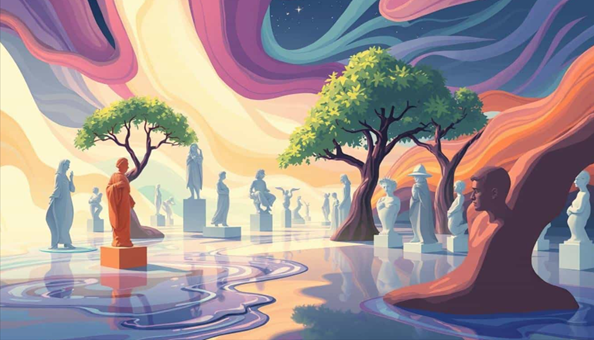
Introduction to Aesthetics
What Does “Aesthetics” Mean?
Discover the Art of Aesthetics is the study of beauty, taste, and the art of creating visual and sensory appeal. It’s not limited to paintings and sculptures—it’s about how we experience and appreciate the world around us. From the clothes you wear to the way your living room looks, aesthetics is always in play.
Why Aesthetics Matter in Daily Life
Good aesthetics can make life more enjoyable, inspiring, and emotionally uplifting. Think about how a beautifully arranged table makes dinner more inviting or how a well-designed website feels effortless to navigate. It’s about enhancing experiences through beauty and harmony.
Historical Roots of Aesthetics
Ancient Philosophical Views on Beauty
The concept of aesthetics dates back to philosophers like Plato, who believed beauty reflected higher truths, and Aristotle, who saw it as an essential part of human pleasure. Ancient civilizations, from Greece to India, embraced aesthetic values in architecture, sculpture, and literature.
Evolution of Aesthetics Through Centuries
During the Renaissance, art and design reached new heights with intricate detailing and symmetry. The Industrial Revolution shifted focus to functional design, while the 20th century brought modernism, minimalism, and abstract art, expanding our definition of beauty.
The Science Behind Aesthetics
How Human Perception Works
Our brains are wired to notice patterns, colors, and symmetry. This is why certain compositions feel more “pleasing” than others.
Psychology of Beauty
Studies show that beauty triggers dopamine release in our brains—the same “feel-good” chemical that rewards eating and music. This explains why aesthetics can be deeply satisfying and even addictive.
Aesthetics in Art and Design
Visual Arts and Aesthetic Principles
Artists use balance, contrast, harmony, and proportion to create pieces that draw the eye and evoke emotions.
Architecture and Symmetry
Buildings like the Taj Mahal or the Parthenon showcase how symmetry and proportion can create timeless beauty.
Everyday Aesthetics
Fashion and Personal Style
Fashion is one of the most direct ways people express their personal aesthetics. From minimal monochrome outfits to bold, colorful statements, it’s all about self-expression.
Interior Design and Home Décor
A cozy, well-decorated room can make you feel instantly at home. Color schemes, lighting, and furniture arrangement all play key roles.
Nature’s Role in Aesthetic Inspiration
Sunsets, flowers, and ocean waves are nature’s masterpieces. Many artists and designers draw directly from these natural aesthetics.
Aesthetics in Digital Media
Website Design and User Experience
A visually appealing website is not just about looks—it improves usability, trust, and engagement.
Social Media and Visual Branding
Platforms like Instagram thrive on aesthetics. Influencers and brands curate their feeds with consistent colors, styles, and tones to stand out.
Cultural Perspectives on Aesthetics
How Different Cultures Define Beauty
Beauty standards vary drastically—what’s considered elegant in Japan may be extravagant in Brazil.
Global Trends in Aesthetic Appreciation
Despite differences, trends like minimalism and sustainability are gaining worldwide popularity.
The Role of Minimalism and Maximalism
Minimalist Beauty
Minimalism embraces simplicity—clean lines, neutral tones, and uncluttered spaces.
Maximalist Expressions
Maximalism celebrates abundance—bold colors, eclectic collections, and layered designs.
How to Develop Your Aesthetic Sense
Observing and Analyzing Visuals
Train your eye by studying photography, art, and nature. Notice patterns, colors, and compositions.
Experimenting with Creative Projects
Whether it’s rearranging your room, creating mood boards, or trying photography, hands-on practice sharpens your sense of beauty.
Challenges in Aesthetics
Subjectivity of Beauty
Beauty is personal—what’s breathtaking to one person may be plain to another.
Balancing Trends with Timelessness
The challenge lies in creating aesthetics that are both current and enduring.
Future of Aesthetics
AI and Technology in Aesthetic Design
AI tools are already generating art, designing interiors, and helping brands create visual identities.
Sustainability and Eco-Friendly Aesthetics
Green design is becoming an aesthetic in itself—natural materials, recycled décor, and energy-efficient architecture are now seen as beautiful.
Conclusion
Aesthetics is more than just a visual concept—it’s an emotional experience that shapes how we live, work, and connect. By understanding and applying aesthetic principles, we can make our surroundings not just functional but inspiring.
FAQs
1. What is the main purpose of aesthetics?
Aesthetics enhances our experience of the world by making it more visually and emotionally engaging.
2. Can aesthetics be learned?
Yes—through observation, study, and practice, anyone can develop a refined aesthetic sense.
3. Why are aesthetics important in design?
They improve usability, evoke emotions, and make products more appealing.
4. Is beauty the same as aesthetics?
Beauty is a part of aesthetics, but aesthetics covers a broader range of sensory and emotional experiences.
5. How does culture influence aesthetics?
Culture shapes what we find beautiful, from colors and patterns to design philosophies.