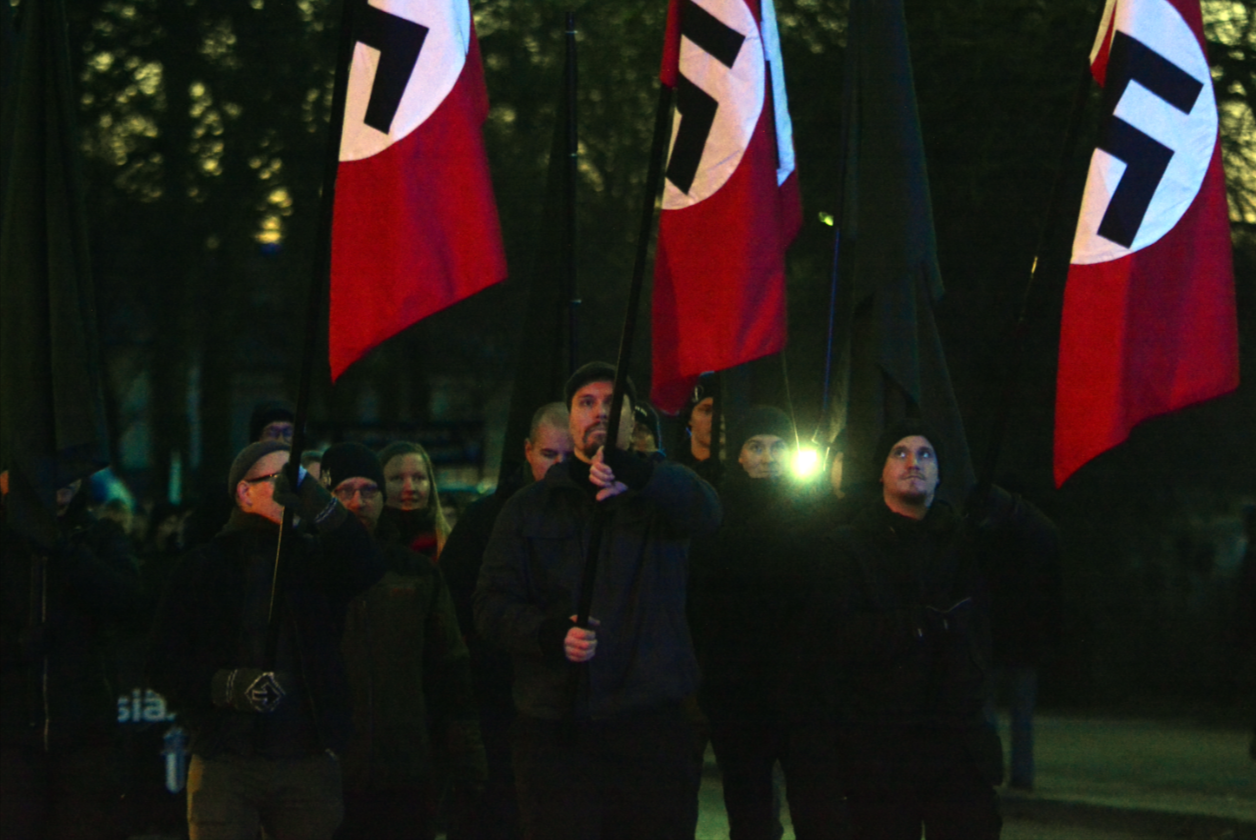
Introduction to the Fascisterne Movement
The Fascisterne Movement emerged as a far-right political force that drew heavily from nationalist and authoritarian ideologies. While rooted in the broader global wave of fascism, it developed its own local flavor based on specific political, economic, and cultural contexts. This movement is remembered not only for its aggressive political stance but also for the social transformations it sought to enforce.
The Birth of Fascisterne
The origins of Fascisterne can be traced back to a period of economic instability and political unrest. The aftermath of wars, industrial shifts, and ideological polarization provided fertile ground for radical right-wing movements. Early leaders were charismatic figures who promised order, unity, and a strong state to counter perceived chaos.
Ideological Foundations
At its core, Fascisterne embraced ultranationalism, authoritarian governance, and a rejection of liberal democracy. It aimed to create a highly centralized government that embodied the will of the nation, often sidelining individual freedoms for the sake of collective identity.
Nationalism and Authoritarianism
The movement’s nationalist agenda emphasized cultural purity, traditional values, and loyalty to the state. Authority was concentrated in a singular leadership figure, whose vision was considered unquestionable.
Anti-Communist Stance
One defining feature of Fascisterne was its vehement opposition to communism and socialism. Leaders saw these ideologies as threats to national unity and capitalist stability, leading to policies designed to suppress leftist movements.
Organizational Structure
Fascisterne operated with a top-down hierarchy. At the apex stood the supreme leader, supported by a loyal inner circle. Beneath them were regional leaders and local organizers tasked with mobilizing communities.
Propaganda and Media Control
The movement skillfully used newspapers, radio broadcasts, and posters to spread its message. Iconic symbols and slogans were employed to foster emotional connection and reinforce loyalty.
Rise and Expansion
Membership in Fascisterne swelled as economic hardship and political instability persisted. Strategic alliances with influential industrialists, landowners, and conservative politicians strengthened its power.
Public Rallies and Mobilization
Grand rallies became a hallmark, showcasing unity and discipline. These spectacles were not just political events—they were theatrical demonstrations designed to impress and intimidate.
International Connections
Fascisterne maintained relationships with other far-right groups abroad, exchanging tactics and ideological frameworks. These cross-border alliances bolstered the movement’s legitimacy and resources.
Decline of the Fascisterne Movement
Over time, economic recovery, political reform, and growing public dissent weakened the movement’s influence. Governments began cracking down on its activities, limiting its reach.
Internal Conflicts
Power struggles among leadership and ideological disagreements fractured the movement from within. Factions emerged, each vying for control and relevance.
Legacy and Modern Influence
Although the original Fascisterne faded, its themes persist in some modern nationalist and populist groups. Its influence remains a subject of political and academic debate, especially concerning its impact on national identity politics.
Criticism and Opposition
Opposition came from various fronts—labor unions, student movements, liberal political parties, and even religious organizations. Media outlets and intellectual circles consistently exposed its authoritarian tendencies.
Conclusion
The Fascisterne Movement serves as a historical reminder of how economic turmoil and political instability can pave the way for radical ideologies. While its power has diminished, its legacy continues to shape political discourse in subtle yet significant ways.
FAQs
1. What was the main goal of the Fascisterne Movement?
To establish a strong, centralized authoritarian state based on nationalist principles.
2. Was Fascisterne connected to global fascism?
Yes, it shared many ideological traits and maintained ties with international far-right groups.
3. How did Fascisterne gain mass support?
Through propaganda, public rallies, and promises of stability during uncertain times.
4. What led to its decline?
Economic recovery, political reforms, public dissent, and internal divisions.
5. Does the movement still exist today?
Not in its original form, but some modern nationalist groups echo its ideas.