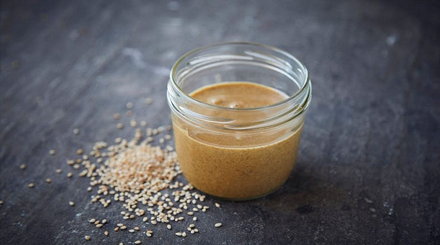
Introduction to Tahhiini
Tahhiini If you’ve ever dipped pita bread into hummus or drizzled a creamy dressing on your salad, chances are you’ve already tasted tahhiini—commonly known as tahini. This creamy paste made from ground sesame seeds is more than just a condiment; it’s a nutritional powerhouse and an ancient food with a fascinating history.
But why is tahhiini suddenly becoming a global superstar? Let’s dive in.
The Origins of Tahhiini
Tahhiini has deep roots in Middle Eastern cuisine, dating back thousands of years. Ancient records show sesame seeds were prized for their oil and paste-like texture. In Arabic, “tahina” means “to grind,” reflecting its simple preparation. From the bustling markets of Jerusalem to the kitchens of Greece and Turkey, tahhiini spread across cultures, becoming a staple in dishes like hummus, baba ghanoush, and halva.
Today, it has transcended its regional heritage and found its way into modern kitchens worldwide.
How Tahhiini is Made
The process of making tahhiini is surprisingly simple yet crucial for flavor. Sesame seeds are first hulled (or sometimes left unhulled), roasted lightly to release their nutty aroma, and then ground into a smooth paste. Traditional stone grinding methods are still used in some regions, but modern processors have made large-scale production easier.
Nutritional Profile of Tahhiini
Tahhiini is small in portion but mighty in nutrition.
-
Rich in vitamins: B vitamins, vitamin E
-
Packed with minerals: Calcium, magnesium, iron, and zinc
-
Protein power: Around 5 grams per 2 tablespoons
-
Healthy fats: Polyunsaturated and monounsaturated fats for heart health
-
Calorie-dense: About 180 calories per serving, but loaded with nutrients
Health Benefits of Tahhiini
Boosts Heart Health
The healthy fats in tahhiini can reduce cholesterol and improve overall cardiovascular health.
Supports Weight Management
Despite its calorie content, tahhiini keeps you full longer, preventing unhealthy snacking.
Strengthens Bones and Joints
With high calcium and magnesium levels, it’s an excellent food for bone health.
Improves Skin and Hair
Antioxidants and vitamin E in tahhiini contribute to glowing skin and stronger hair.
Tahhiini in Culinary Traditions
Tahhiini is a cornerstone of Middle Eastern cuisine, often paired with chickpeas in hummus or mixed with lemon and garlic for dressings. In Mediterranean diets, it appears in sauces for grilled meats and fresh salads. Globally, chefs experiment by adding tahhiini to ice cream, cookies, and even coffee drinks.
Different Types of Tahhiini
-
Hulled: Mild flavor, smoother texture
-
Unhulled: Stronger, slightly bitter, but richer in nutrients
-
Raw: Creamier, lighter taste
-
Roasted: Deeper, nutty flavor
How to Use Tahhiini in Cooking
Tahhiini is versatile and can be used in:
-
Sauces and dips: Hummus, baba ghanoush, tahini-lemon dressing
-
Baking: Adds a nutty depth to brownies, cookies, and cakes
-
Smoothies and desserts: Blends well in shakes, energy balls, and halva
Tahhiini-Based Recipes You Can Try
Classic Hummus
Blend chickpeas, tahhiini, garlic, lemon juice, and olive oil for a creamy dip.
Tahini Dressing
Mix tahhiini with lemon, garlic, olive oil, and water for a zesty salad topping.
Tahini Brownies
Swirl tahhiini into brownie batter for a nutty twist on the classic dessert.
Is Tahhiini Vegan and Gluten-Free?
Yes! Tahhiini is naturally plant-based and free from gluten, making it perfect for vegans and people with celiac disease.
Storage and Shelf Life of Tahhiini
Store unopened jars in a cool, dark place. Once opened, refrigerate to keep freshness. Properly stored, tahhiini can last up to 6 months. If it smells rancid or tastes bitter, it’s time to toss it.
Tahhiini vs. Peanut Butter
While both are creamy spreads, tahhiini has a more savory, earthy flavor compared to peanut butter’s sweetness. Nutritionally, tahhiini is higher in calcium but lower in protein than peanut butter.
Where to Buy Quality Tahhiini
You can find tahhiini at most grocery stores, Middle Eastern shops, and online. Look for brands with minimal ingredients—ideally just sesame seeds.
Making Tahhiini at Home
Homemade tahhiini is simple: toast sesame seeds, blend with olive oil (optional), and process until smooth. A high-speed blender ensures a creamy texture.
Common Mistakes When Using Tahhiini
-
Using too much, which can overpower dishes
-
Not mixing the separated oil before using
-
Pairing it with overly sweet ingredients without balance
Future of Tahhiini in Food Trends
Tahhiini is here to stay. With plant-based diets on the rise, it’s expected to play a major role in vegan cuisine, health snacks, and fusion foods. From tahini lattes to energy bars, innovation is just beginning.
Conclusion
Tahhiini isn’t just a dip ingredient; it’s a cultural bridge, a nutritional powerhouse, and a modern-day superfood. Whether you’re vegan, health-conscious, or simply adventurous in the kitchen, tahhiini deserves a permanent spot in your pantry.
FAQs
Q1. Is tahhiini the same as tahini?
Yes, tahhiini is another spelling of tahini, the sesame seed paste.
Q2. Can I eat tahhiini every day?
Yes, in moderation. Its healthy fats make it beneficial, but it is calorie-dense.
Q3. What foods pair best with tahhiini?
It pairs well with chickpeas, garlic, lemon, grilled vegetables, and baked goods.
Q4. Does tahhiini help with weight loss?
It can, since it keeps you full longer and reduces cravings.
Q5. Can I make tahhiini without oil?
Yes, you can make it by grinding sesame seeds alone, but a little oil helps with creaminess.