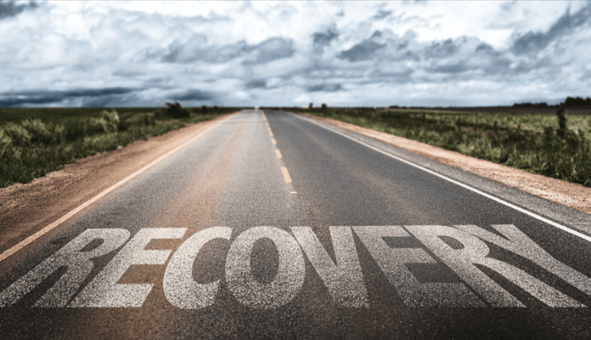
The Road to Recovery is a journey that many individuals, communities, and even nations experience at different stages of life. Whether it follows physical illness, mental health challenges, addiction, financial hardship, or emotional trauma, recovery is rarely a straight path. It is often filled with setbacks, lessons, resilience, and hope. Understanding what recovery truly means can help people approach the process with patience, strength, and confidence.
What Does the Road to Recovery Mean?
The Road to Recovery refers to the process of healing and rebuilding after a difficult or damaging experience. It is not just about returning to a previous state but about learning, adapting, and often becoming stronger than before. Recovery may involve physical rehabilitation, emotional healing, mental clarity, or restoring stability in one’s personal or professional life.
Unlike quick fixes, recovery takes time. The Road to Recovery Each step forward, no matter how small, contributes to long-term improvement. The journey differs for everyone, making it deeply personal and unique.
The Emotional Side of Recovery
Emotional healing is one of the most challenging aspects of recovery. The Road to Recovery Feelings such as fear, anger, guilt, or sadness are common during this process. Many people expect recovery to be purely positive, but emotional ups and downs are a natural part of healing.
Acknowledging emotions instead of suppressing them is essential. The Road to Recovery Support from friends, family, or mental health professionals can provide reassurance and guidance. Therapy, mindfulness practices, and journaling are often helpful tools for managing emotional recovery and developing self-awareness.
Physical Recovery and Rebuilding Strength
Physical recovery often follows illness, injury, or surgery. It may include medical treatment, physical therapy, lifestyle changes, and consistent self-care. While progress may feel slow, consistency is key.
Proper nutrition, adequate rest, and gentle exercise play vital roles in physical healing. Listening to the body and respecting its limits can prevent setbacks. Over time, physical recovery not only restores strength but also boosts confidence and independence.
Mental Health and the Road to Recovery
Mental health recovery is just as important as physical healing. The Road to Recovery Conditions such as anxiety, depression, burnout, or post-traumatic stress require patience and professional support. The road to recovery in mental health often involves therapy, medication when necessary, and building healthy coping mechanisms.
Breaking the stigma around mental health is crucial. Seeking help is a sign of strength, not weakness. With the right support system, individuals can regain balance, purpose, and emotional stability.
Recovery from Addiction
One of the most well-known uses of the phrase “the road to recovery” is in the context of addiction. Recovery from substance abuse is a lifelong journey that requires commitment, honesty, and support.
Rehabilitation programs, counseling, and peer support groups such as recovery communities play a significant role. Relapses may occur, but they do not define failure. Instead, they can become learning moments that strengthen determination and resilience.
Financial and Career Recovery
The road to recovery also applies to financial and professional setbacks. Job loss, business failure, or debt can deeply affect self-esteem and stability. Financial recovery involves planning, discipline, and sometimes seeking expert advice.
Rebuilding a career may include learning new skills, exploring alternative paths, or starting fresh. These challenges often encourage growth, creativity, and renewed motivation. With persistence, financial stability and professional confidence can be restored.
Community and Societal Recovery
Beyond individuals, entire communities and nations experience the road to recovery after crises such as natural disasters, economic downturns, or pandemics. Community recovery requires collaboration, strong leadership, and shared responsibility.
Investing in healthcare, education, and infrastructure helps societies rebuild and prepare for future challenges. Collective recovery also strengthens unity and resilience among people.
The Role of Support Systems
No one should walk the road to recovery alone. Support systems play a vital role in healing. Friends, family members, mentors, healthcare providers, and support groups offer encouragement and accountability.
Even small gestures of kindness can make a big difference. Knowing that someone believes in your ability to recover can provide motivation during difficult moments.
Patience and Self-Compassion
One of the most important lessons on the road to recovery is patience. Healing does not follow a strict timeline, and comparing progress with others can be discouraging. Self-compassion allows individuals to accept imperfections and setbacks without harsh self-judgment.
Celebrating small victories helps maintain motivation. Every step forward, no matter how minor it seems, is a sign of progress.
Turning Recovery into Growth
Recovery is not just about survival; it can also lead to transformation. Many people discover new strengths, values, and perspectives during the healing process. Challenges often redefine priorities and deepen appreciation for life.
By reflecting on lessons learned, individuals can turn adversity into personal growth. The road to recovery can become a foundation for a healthier, more fulfilling future.
Conclusion
The road to recovery is a powerful journey of healing, resilience, and renewal. While it may be long and unpredictable, it offers opportunities for growth and self-discovery. Whether recovering physically, emotionally, mentally, or financially, the key lies in persistence, support, and self-belief.
Every recovery story is unique, but they all share one truth: healing is possible. With patience, compassion, and determination, the road to recovery can lead not just back to normal, but forward to a stronger and more meaningful life.